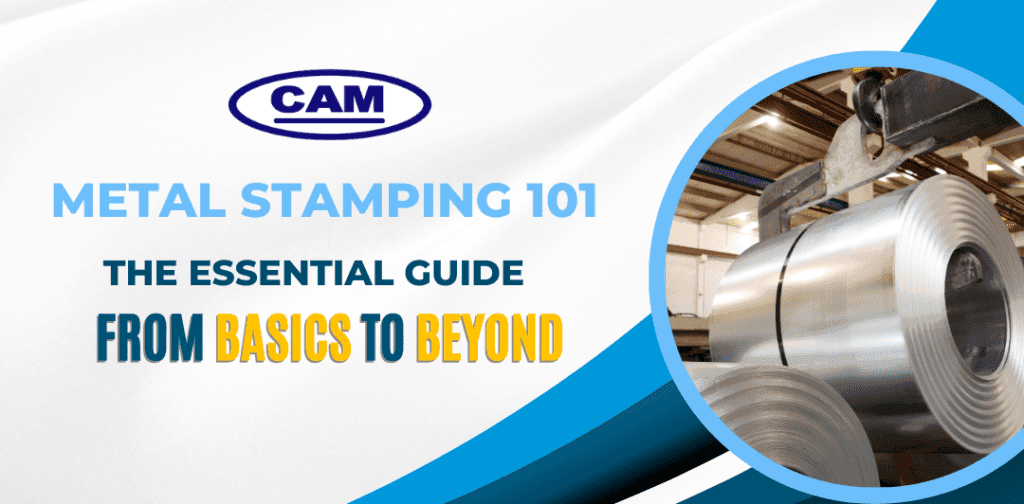
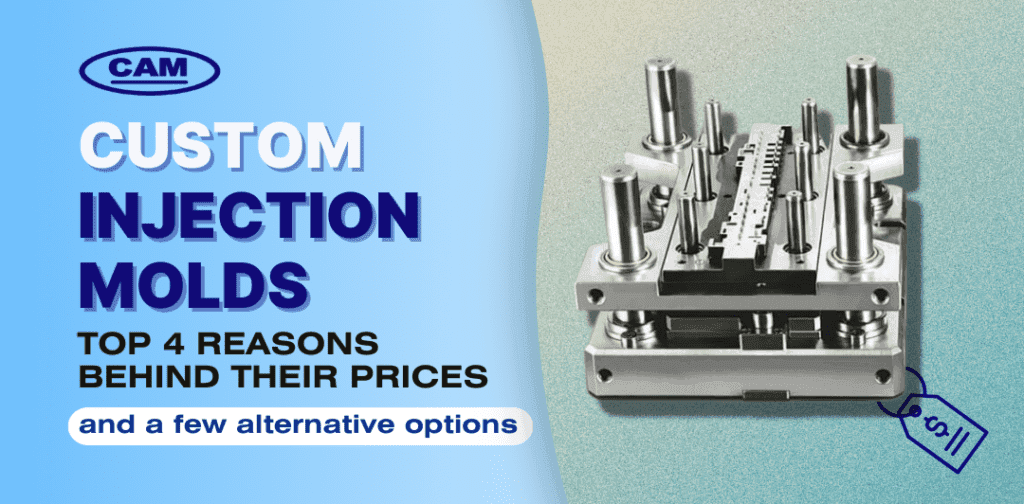
Material selection is one of the highest-leverage decisions in precision tooling. The right material delivers tool life, dimensional stability and machinability; the wrong one creates rework, downtime and warranty headaches. Here are the five materials you'll see most often on a precision tooling shop floor.
Why material selection matters
Three properties drive tool performance:
- Wear resistance — carbide and ceramics extend tool life and reduce replacement frequency
- Dimensional stability — steel and titanium hold accuracy across temperature and humidity changes
- Machinability — the material has to work efficiently with CNC, EDM and wire-cut equipment
1. Stainless steel
Exceptional strength, durability and corrosion resistance — and it works well with most machining techniques. A solid default for many applications.
2. Carbide
Hardness, wear resistance, heat resistance, precision and versatility — carbide handles the most demanding high-speed machining work and is critical for long production runs.
3. Titanium
Strength-to-weight advantages and corrosion resistance make titanium especially valuable in aerospace and medical applications where every gram matters.
4. Aluminum
Lightweight, excellent thermal conductivity, cost-effective and highly machinable. Aluminum is the workhorse for everything from prototypes to high-volume parts.
5. Brass
Outstanding machinability and thermal conductivity — ideal for heat exchange applications and components needing tight tolerances on smaller parts.
Our approach at CAM Resources
We primarily process steel and carbide grades, working with carefully selected suppliers to balance quality and cost. The result: predictable tool life and consistent quality across orders.